Roof Repair
Repair can replace damaged shingles, restore a failed vent detail or rebuild flashing at a wall. The adjoining covering, deck and underlayment need to support the repair. We explain when damage beneath the visible opening widens the job.
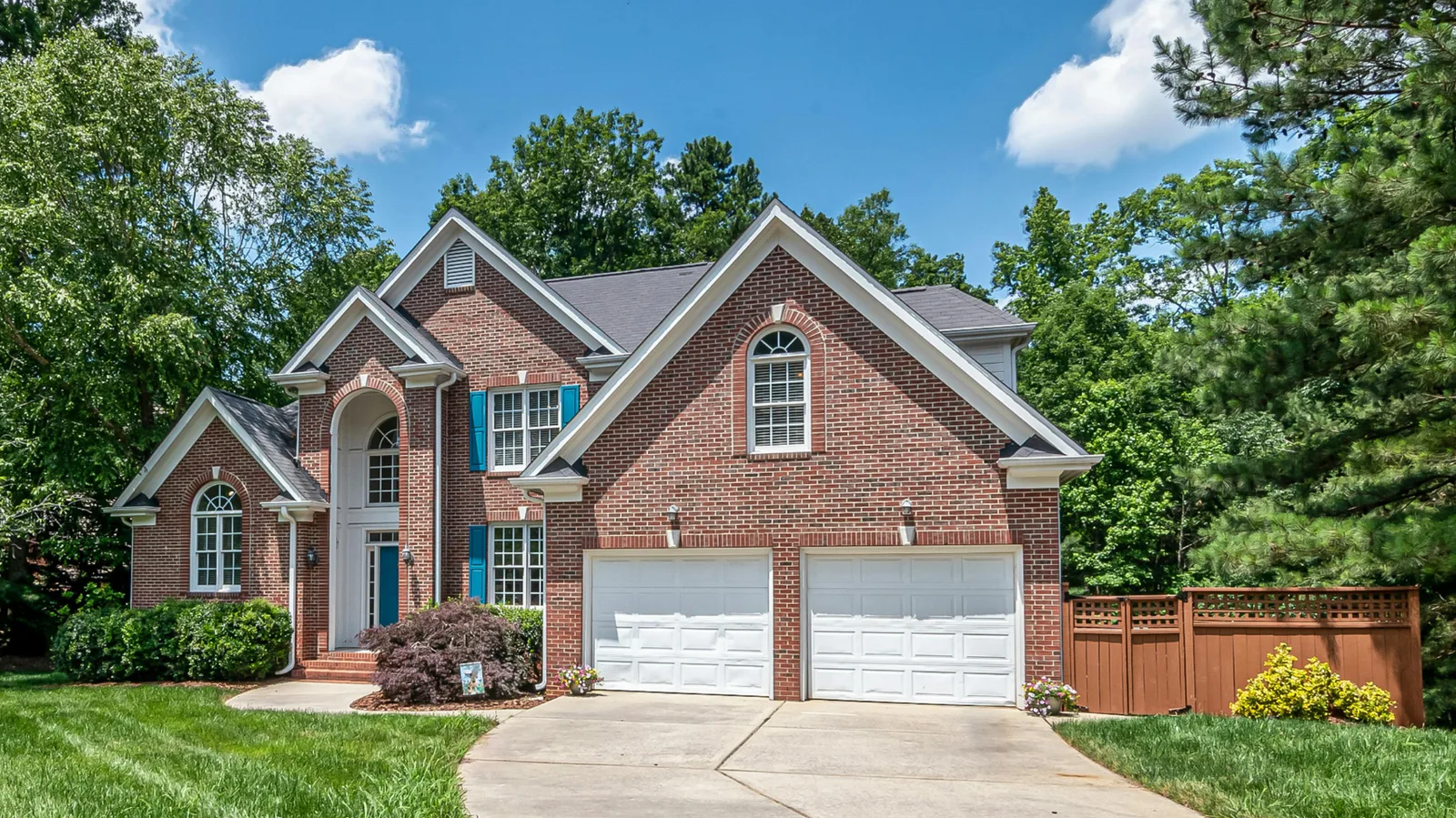
Find help for the roof problem you have now, or plan a replacement before repeated repairs become the whole strategy. We explain the work from the covering down to its connections.
Call about your roof (405) 561-6780
A roofing service starts with the reason you called. A leak needs its entry point traced. Shingles blown out of place need the adjoining courses checked. A roof that is wearing out needs its repair limits compared with a full replacement.
We use a free roof inspection to establish that starting point. A roofer walks the roof when it is safe to do so and looks at the covering, edges and interruptions in it. The next step depends on what the assembly can still support, rather than a repair or replacement being decided in advance.

These are different scopes of work. A useful repair preserves sound roofing. A replacement rebuilds the assembly where piecemeal work no longer makes a reliable connection.
Repair can replace damaged shingles, restore a failed vent detail or rebuild flashing at a wall. The adjoining covering, deck and underlayment need to support the repair. We explain when damage beneath the visible opening widens the job.
Replacement includes more than selecting a shingle color. Removal exposes the deck, damaged wood gets addressed, and the underlayment, edges, flashing and ventilation are coordinated with the new covering.
An inspection helps answer a specific concern or plan future work. It checks the roof condition and connections; it does not turn a nearby weather report into proof of damage at the property.
Water can travel along the deck or framing before it appears indoors. Leak work follows that route back to the likely opening and checks the surrounding roof details.
A roof sheds water through a series of overlapping parts. These services address the places where the covering changes direction, is interrupted or delivers runoff to another component.
Step flashing, wall counterflashing and pipe details direct water back onto the roof. A sound repair rebuilds the lap and connection that failed.
A clear gutter still needs a sound pitch, outlet and attachment. Roof-edge, fascia and downspout conditions determine whether a repair or a new run is useful.
A skylight leak can originate at the flashing, glazing or condensation inside. The work has to fit the actual unit and roof system.
Intake and exhaust need a connected air path. Adding one more vent does not fix blocked soffit intake or an assembly designed for a different ventilation approach.
Storm damage calls for a condition assessment. Material work calls for an assembly that fits the roof. Both need more than an appearance decision.
Separate temporary protection from permanent repair, then compare a repairable opening with damage across a slope.
Hail impacts need a close examination of the shingles and related roof components, with property history kept separate from the storm archive.
If the roof is actively leaking, call and describe the water entry. Safe access and conditions determine temporary protection and repair work.
Compare shingle construction, impact classifications and the complete installation rather than treating every asphalt product as the same.
Consider standing seam, exposed fasteners, movement, roof slope and transitions before choosing the panel appearance.
Commercial roof work follows the building system, drainage and operations. A leak above a tenant space needs a different plan from replacing a house roof.
Explore repair, restoration and replacement, with the roof assembly and occupied-building work explained together.
Understand welded seams, attachment, insulation and the flashing at curbs and penetrations.
Find out when a compatible coating can protect a prepared roof, and why wet or unsound layers need attention first.
The useful result is a roof decision grounded in its present condition. A close look connects the visible symptom with the covering and its underlying support.
We begin with the area that brought you to the inspection and examine nearby joints and roof details. A leak beside a wall is not automatically a wall-flashing failure; the water path matters.
Adjoining shingles need to be workable, replacement material needs to fit, and flashing and deck connections need to remain sound. Those conditions explain why two small-looking leaks can need different work.
A local repair, a larger slope repair and full replacement solve different conditions. The material choice, underlying damage and access explain the cost difference. Our roof-cost guide gives a bounded asphalt planning example before a property-specific scope is settled.
Start with roof leak repair or call and tell us that water is entering. You do not need to decide whether the cause is flashing, a vent or shingles before requesting help.
Yes. Include each building you want considered. Its roof slope, covering, connections and condition need their own scope; matching the house visually does not make the repair need the same.
Not automatically. Gutters that are sound, properly attached and draining can remain useful. Roof-edge changes, damaged fascia or a failing gutter run are reasons to coordinate that work with the roof project.
Describe the building and the roofing concern. A free inspection is a useful start whether you are facing a leak or planning work ahead.